SAMISK SØNDAG | Aktiviteter for hele familien
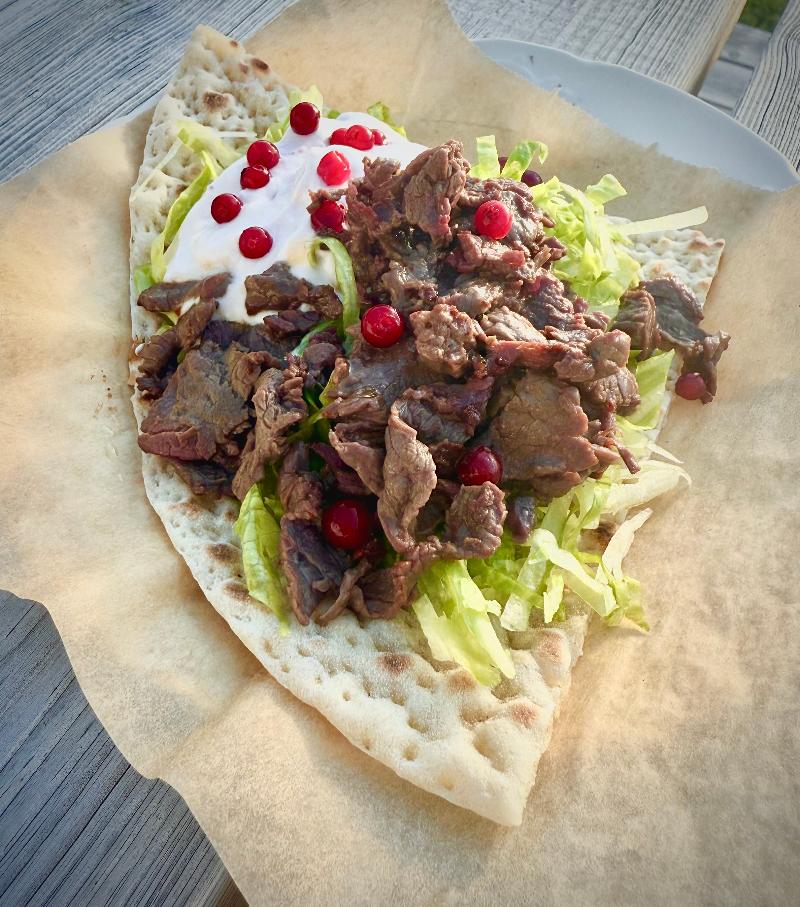
Vi går inn i samisk uke med forskjellige aktiviteter for store og små på universitetsmuseet. I kafeen kan du blant annet få kjøpt "souvas" - saltet og røkt reinkjøtt i hjemmebakt brød, med salat og tyttebærrømme - servert av Davvi AS.
For information in English, please look further down.
KL. 11-16
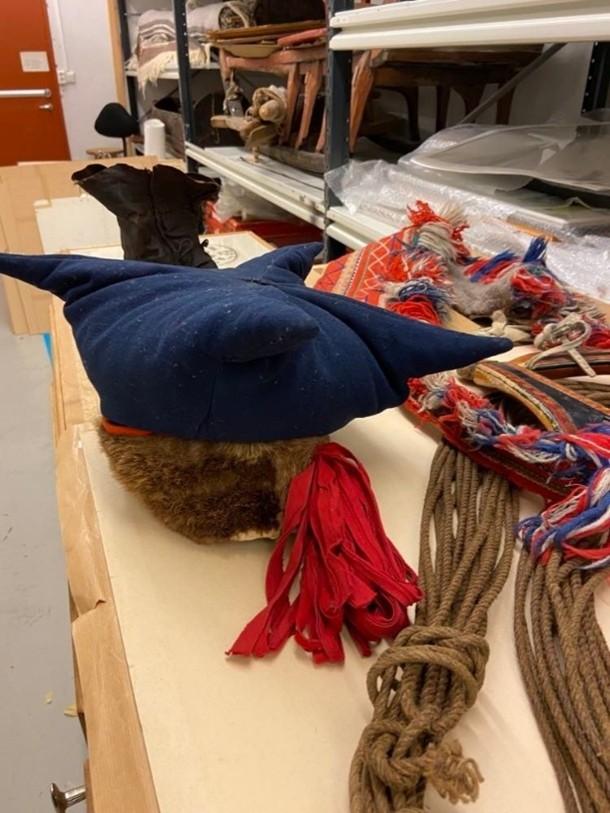
Gjett på en gjenstand
Vi har valgt ut syv gjenstander fra samisk magasin. Klarer du å gjette hva gjenstandene heter, og hva de har blitt brukt til?
Rebus i utstillingene
Tegning, puslespill, lasso
KL. 11-15.30
I tillegg til kaffe og søtt står "souvas" på menyen, laget og servert av Davvi AS. Souvas er saltet og røkt reinkjøtt i hjemmebakt brød, med salat og tyttebærrømme.
Davvi AS ble etablert i 2025 av ekteparet Tore Anders Oskal og Kristina Labba. Selskapet foredler reinkjøtt og serverer samisk mat. Tore Anders og Kristina jobber med rein i Meavkki/Stuorranjárgga (Mauken/Tromsdalen) reinbeitedistrikt. Davvi AS deltok på Nordnorsk Smakfestival i 2025, og med sin signaturrett «Gurhpi-drøm» vant selskapet anerkjennelse for beste smakrett.
KL. 11.30-12.30 OG 14.30-15.30
OBS! Begrenset antall plasser, påmelding i skranken samme dag fra kl. 11.00
Bli med på en unik opplevelse der du får utforske en av gjenstandene fra det samiske magasinet sammen med en av museets forskere. La nysgjerrigheten din bli et kreativt verktøy for refleksjon og nye perspektiver!
Hva tror du gjenstanden har blitt brukt til? Hvilke materialer kan vi se og kjenne? Hvilke valg har skaperen av gjenstanden tatt, og hvorfor? Og kanskje viktigst – hvilken betydning har denne gjenstanden i dag?
Sammen tar vi oss tid til å tenke sakte, rette blikket mot detaljene og oppdage historiene som ligger skjult i gjenstanden. Velkommen til å se, undre og lære på en ny måte!
KL. 12.00 OG 13.30
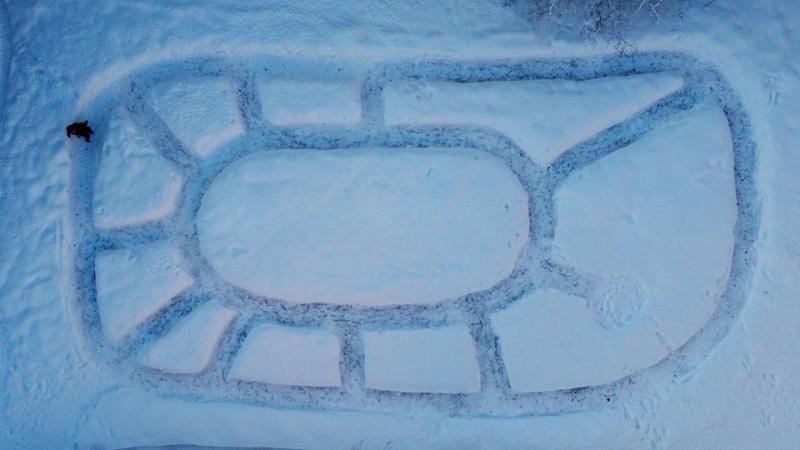
Riebangárdi er en samisk utelek hvor revene prøver å fange harene i en labyrint. Her kan både voksne og barn være med. Husk uteklær!
OBS! Værforbehold - aktiviteten avlyses ved veldig dårlig vær eller lite snø.
KL. 13.00
Det vil holdes to foredrag på ca 15-20 min hver.
By Erika De Vivo
 Samiske gjenstander på museum i Florence, Italia. Foto: Sistema Museale di Ateneo
In the heart of Florence, Italy, lies a remarkable yet little-known collection of Sámi artifacts. For 140 years, this collection has been housed in the University’s Museum of Anthropology and Ethnology, thousands of kilometers from the lands where their original owners once lived. Most of these objects were gathered in Troms and Finnmark in the late 19th century by physician and anthropologist Paolo Mantegazza and botanist Stephen Sommier during their expeditions to Northern Norway. Today, they constitute the only Sámi collection in an Italian museum.
Despite their cultural and historical significance, much about this collection remains shrouded in mystery, including the precise origins of many items. However, archival documents, 19th-century scientific publications, and other materials authored by Mantegazza provide a partial contextualization of some of these artifacts, shedding light on the stories behind them.
The presentation focuses on some of the artefacts now in Florence, highlighting the dual role of museums as both custodians of cultural heritage and participants in colonial histories.
Erika De Vivo is an early-career researcher specializing in Sámi studies, cultural anthropology, and critical museology. She is currently a Marie Skłodowska-Curie Actions (MSCA) postdoctoral fellow at the University Museum of the University of Tromsø (Norway). Her MSCA project focuses on Sámi people’s experiences during colonial encounters in the late 19th century.
By Lynneth Miller Renberg
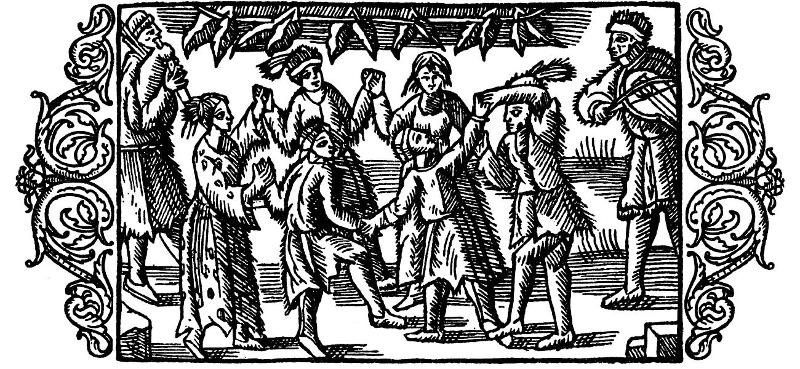 Image from Olaus Magnus’s Historia de Gentibus Septentrionalibus, book 4 “On Dances that Are Executed During Lamentations”, accessed via Wikimedia Commons.
Using methods from dance and kinesic studies, Lynneth Miller Renberg rereads the well-known body of texts recording European encounters and perceptions of the Sámi in the premodern era. By tracing moving bodies through the archives and the contexts in which their motion is framed, we can “hear” silenced Sámi figures, as well as better understand what the voices of Scandinavian authors might have conveyed to their audiences. The malleability of movement meant that the formation of identity in the premodern North was not a straightforward process of colonial “othering,” but instead a nuanced process of identity formation.
Lynneth Miller Renberg is Associate Professor of History (Anderson University) and guest researcher at UiT The Arctic University of Norway as Fulbright U.S. Scholar (2025-2026).
Velkommen! Bures boahtin!
TID Søndag 1. februar kl. 11-16. Kafeen er åpen kl. 11-15.30.
STED Norges arktiske universitetsmuseum, Lars Thøringsveg 10
INNGANG Vanlig museumsbillett (for info om billettpriser, se her)
//
We mark the start of Sámi Week with a wide range of activities for both children and adults at the University Museum. In the café, you can enjoy souvas — salted and smoked reindeer meat served in homemade bread with salad and lingonberry sour cream — prepared and served by Davvi AS.
11:00–16:00
11:00–15:30
In addition to coffee and sweet treats, souvas will be on the menu, made and served by Davvi AS. Souvas is salted and smoked reindeer meat served in homemade bread with salad and lingonberry sour cream.
Davvi AS was established in 2025 by the married couple Tore Anders Oskal and Kristina Labba. The company processes reindeer meat and serves Sámi cuisine. Tore Anders and Kristina work with reindeer in the Meavkki/Stuorranjárgga (Mauken/Tromsdalen) reindeer herding district.
Davvi AS participated in the Northern Norwegian Taste Festival in 2025, where their signature dish “Gurhpi Dream” received recognition as Best Tasting Dish.
12:00 and 13:30
Riebangárdi is a traditional Sámi outdoor game where foxes try to catch hares inside a labyrinth. Both children and adults are welcome to join. Remember to dress for the weather!
Weather dependent: The activity will be cancelled in case of very poor weather or insufficient snow.
If there is enough snow, the labyrinth will be located behind the museum again this year.
13:00
Two lectures of approximately 15–20 minutes each.
By Erika De Vivo
In the heart of Florence, Italy, lies a remarkable yet little-known collection of Sámi artefacts. For 140 years, this collection has been housed in the University’s Museum of Anthropology and Ethnology, thousands of kilometres from the lands where their original owners once lived. Most of these objects were collected in Troms and Finnmark in the late 19th century by physician and anthropologist Paolo Mantegazza and botanist Stephen Sommier during their expeditions to Northern Norway. Today, they constitute the only Sámi collection in an Italian museum.
Despite their cultural and historical significance, much about this collection remains unknown, including the precise origins of many items. Archival documents, 19th-century scientific publications, and other materials authored by Mantegazza help shed light on the stories behind some of these artefacts.
The presentation highlights the dual role of museums as both custodians of cultural heritage and participants in colonial histories.
Erika De Vivo is an early-career researcher specialising in Sámi studies, cultural anthropology, and critical museology. She is currently a Marie Skłodowska-Curie Actions (MSCA) postdoctoral fellow at the University Museum of the University of Tromsø. Her project focuses on Sámi experiences during colonial encounters in the late 19th century.
By Lynneth Miller Renberg
Using methods from dance and kinesic studies, Lynneth Miller Renberg re-examines the well-known body of texts documenting European encounters with and perceptions of the Sámi in the premodern era. By tracing moving bodies through archival sources and their contexts, she uncovers silenced Sámi figures and offers new insights into how identity was formed in the premodern North — not as a simple process of colonial “othering,” but as a nuanced and dynamic process.
Lynneth Miller Renberg is Associate Professor of History at Anderson University and a guest researcher at UiT The Arctic University of Norway as a Fulbright U.S. Scholar (2025–2026).
Welcome! Bures boahtin!
TIME Sunday, 1 February 11:00–16:00 The café is open from 11:00–15:30
WHERE The Arctic University Museum of Norway, Lars Thøringsveg 10
ADMISSION Regular museum admission