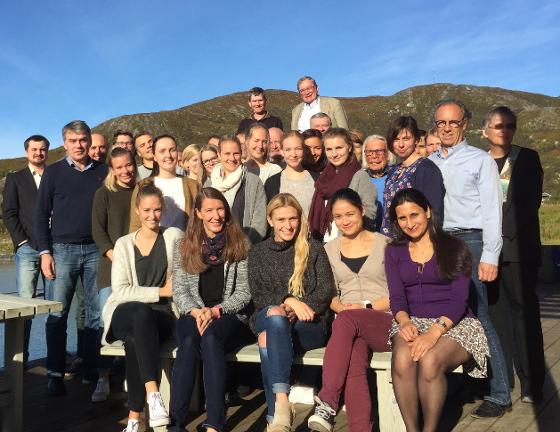
Christabel Esi Damoah and Birgitte Tøndel defended their doctoral thesis in December 2025 and January 2026, respectively. TREC congratulates them with their new degree!
News archive
27.03.2026:
Collaborative study identified new plasma proteins associated with VTE
Collaborative study identified new plasma proteins associated with VTE
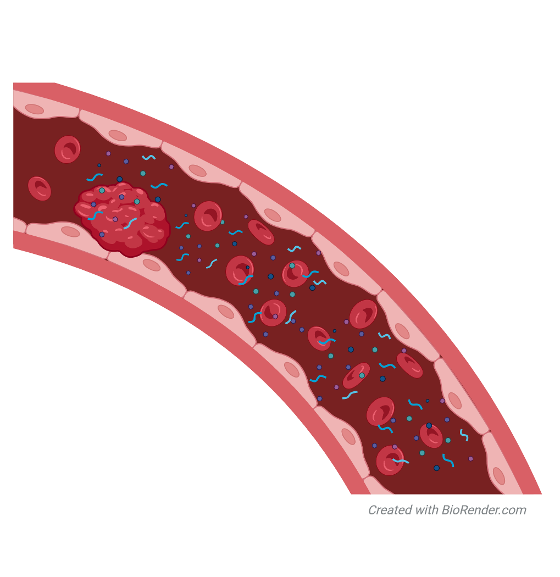
The mechanisms leading to venous thromboembolism (VTE) remains incompletely understood. In a recent study published in Circulation, researchers from TREC in collaboration with colleagues from research centers in USA and at NTNU analyzed the plasma proteome (5000-7000 proteins) from three US cohorts (MESA, CHS and ARIC) and one Norwegian cohort (HUNT) to identify potential novel risk factors for VTE. Researchers identified 23 proteins that were associated with VTE, of which 15 were new in the context of VTE. Of the 23 proteins identified, 16 were available in the UK biobank, and of these, 11 were replicated (i.e., also associated with VTE in the UK biobank study). The newly identified proteins are involved in processes like immune system interactions, tissue repair and remodeling, and vascular aging. The proteins may potentially be new targets for risk assessment and prevention of VTE.
Lenke til nyhet

11.02.2026:
New PhDs graduated from TREC
New PhDs graduated from TREC
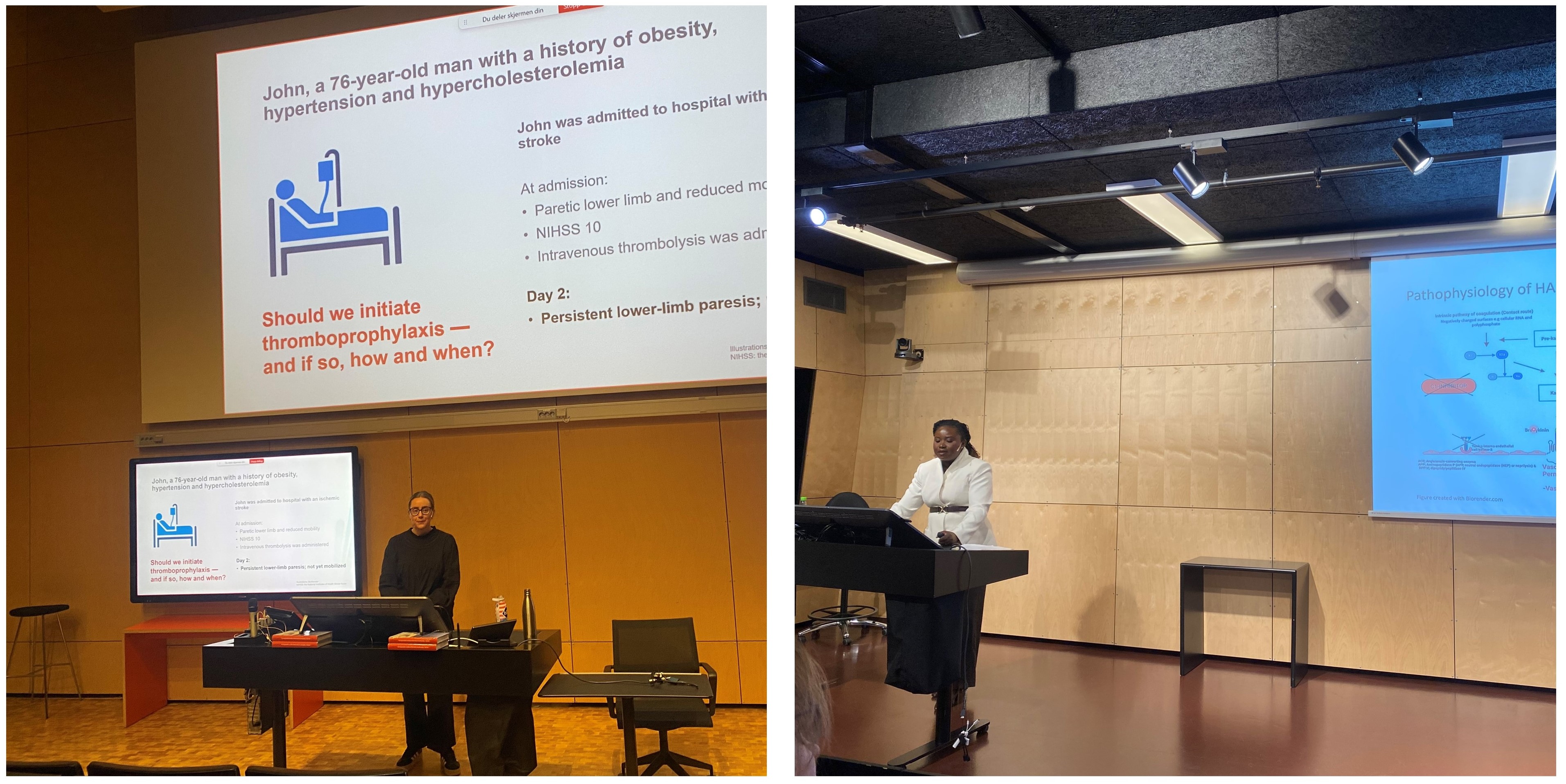
Christabel Esi Damoah and Birgitte Tøndel defended their doctoral thesis in December 2025 and January 2026, respectively. TREC congratulates them with their new degree!
Christabel Esi Damoah defended her thesis entitled «The Involvement of the Complement Lectin Pathway in Venous Thromboembolism» on December 18, 2025, with Professor Bengt Zöller (University of Lund) and Docent Maria Bruzelius (Karolinska Institutet) as opponents.
You can find the link to Christabel’s doctoral thesis here.
Birgitte Gladsø Tøndel defended her thesis «The risk of venous thromboembolism after ischemic stroke» on Januar 22, 2026. The opponents were Karina Meijer (University Medical Center Groningen) and Marcus Lind (Umeå University).
You can find the link to Birgitte’s doctoral thesis here.
Lenke til nyhet
09.12.2025:
TREC affiliated MD students have graduated from the Research program in medicine
TREC affiliated MD students have graduated from the Research program in medicine
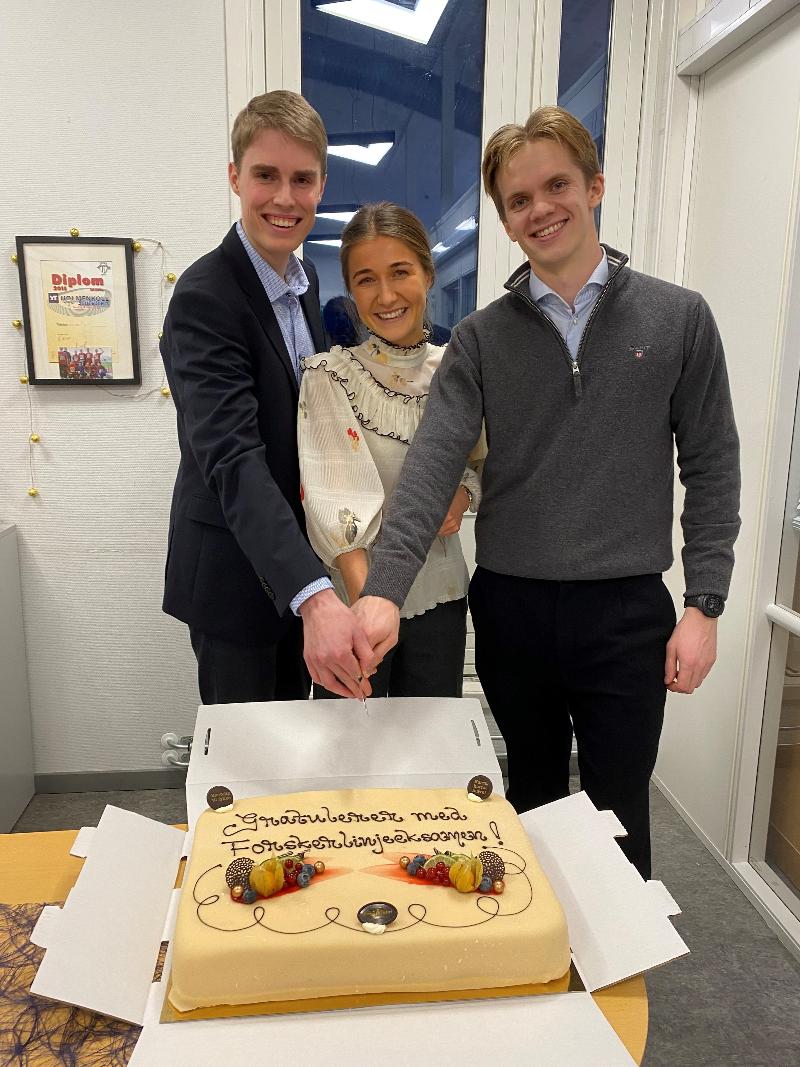
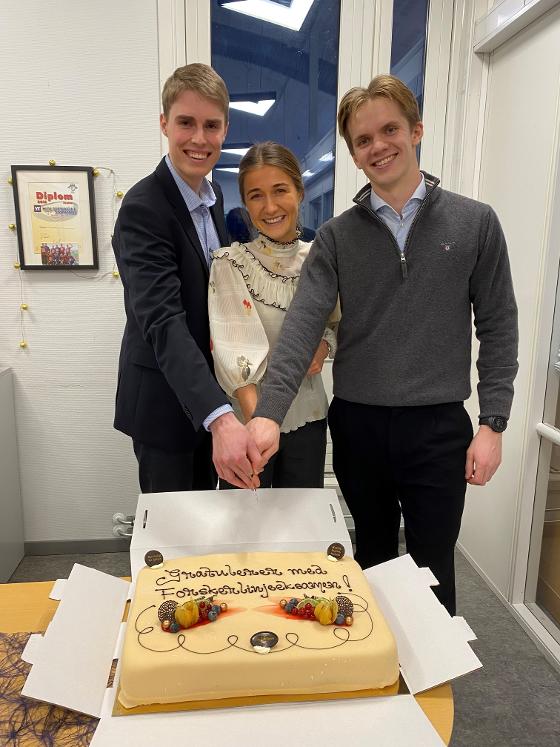
The Research Program in Medicine (Forskerlinjen) at UiT The Arctic University of Norway is a 120 ECTS credit program, of which 30 credits are for PhD courses and 90 credits are for a research project. The program is anually offered to 10 MD students who wish to pursue a research career. The program provides students with practical research experience, training in research methods and critical thinking, along with a solid foundation for further PhD studies. The Research Program in Medicine ends with oral examination consisting of 20 minutes presentation of the student’s research project by the students followed by 40 minutes defense with one external and one internal examinator during the sixth year at medical school.
During the last 15 years, the Thrombosis Research Group (TREC) has recruited 1-2 of the students elected for the research program annually for thrombosis-related projects. This year, however, we had for the first time 3 MD/PhD students (Camilla Langholm, Nikolai Hagensen Eide, and Asbjørn Lund Onsaker) that graduated from the program on Friday November 28. They all presented papers published in high-ranked medical journals and defended their projects exceptionally well during the scientific discussions. The external evaluator for all three graduations was professor Pål Andre Holme from the University of Oslo.
The achievements were traditionally celebrated with coffee and cake immediately after graduation with colleagues, family and friends in TREC premises at UiT.
The following papers were discussed during the exams:
Lenke til nyhet
02.12.2025:
Is mannose binding lectin of the lectin complement pathway associated with risk of venous thromboembolism (VTE)?
Is mannose binding lectin of the lectin complement pathway associated with risk of venous thromboembolism (VTE)?
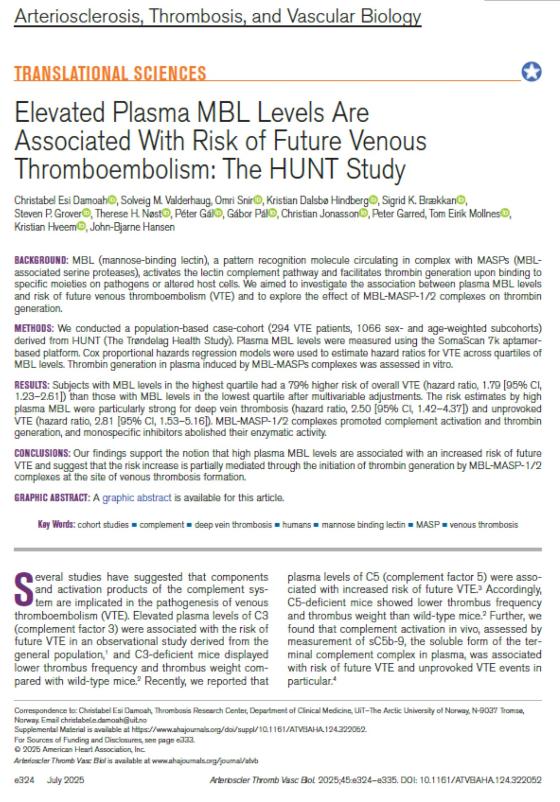
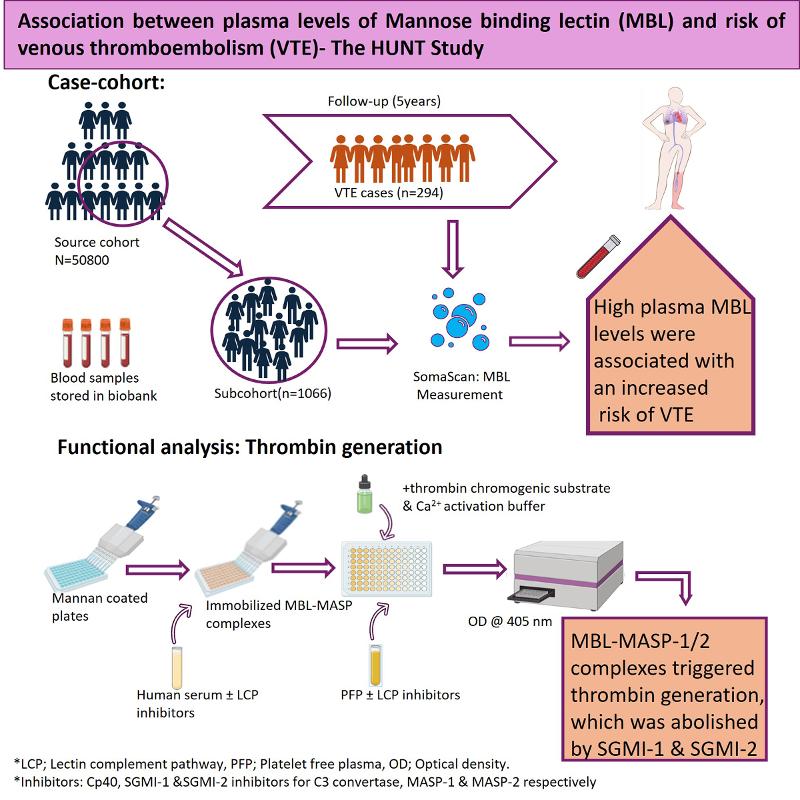
The complement system, a fundamental part of humoral and innate immunity, has gained considerable attention for its interplay with coagulation and potential role in the pathogenesis of VTE. Mannose-binding lectin (MBL), a pattern recognition molecule circulates in complexes with MBL-associated serine proteases (MASPs) in blood. The MASPs are activated when MBL bind to specific carbohydrate patterns on pathogens or altered host cells and lead to downstream complement activation. In the present population-based study, we found that individuals with high plasma MBL levels had 79% higher VTE risk than those with low MBL levels, and that activated MBL-MASP complexes facilitated thrombin generation independent of downstream complement activation. The results suggest that high MBL levels are a risk factor for VTE partly mediated by direct thrombin generation at the site of venous thrombosis formation. Our findings were recently published and highlighted as a featured paper in Arteriosclerosis Thrombosis and Vascular Biology.
The first author of this study, Christabel Esi Damoah, is a PhD-student at TREC and the study included collaborators from Norway, Denmark, Hungary and USA.
Reference:
Lenke til nyhet
01.12.2025:
Prizes to TREC at ECTH2025
Prizes to TREC at ECTH2025
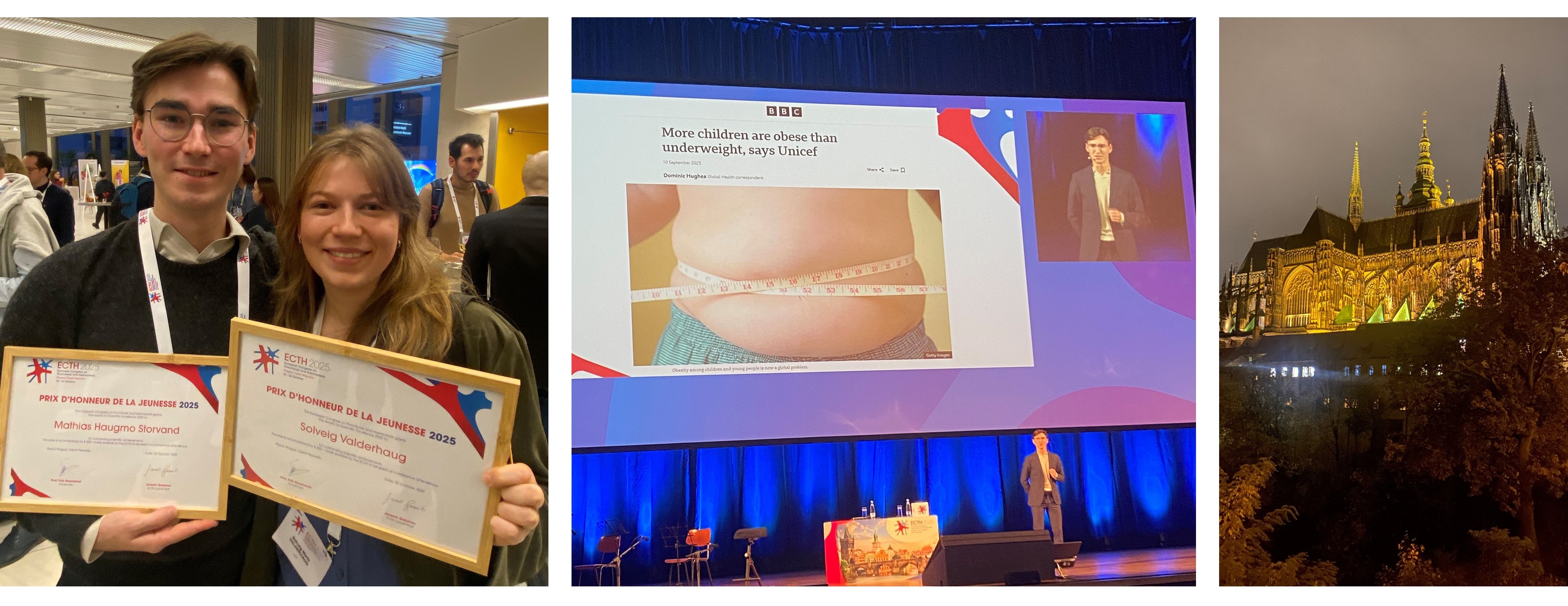
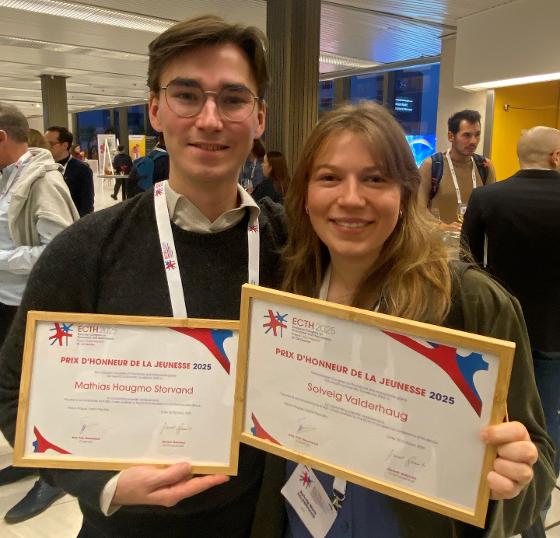
TREC submitted 15 abstracts to the conference (total number of abstracts were >300), and of these, 12 were elected for oral presentations, one for “Science fast and furious”, and the remaining two were presented as posters. The “Science fast and furious” is a scientific presentation in a TED-talk format, and the eight highest ranked abstracts are elected for this session. Mathias Haugmo Storvand did a great job on the fast and furious stage, presenting results on a newly discovered protein which is linked to obesity-related VTE. Together with Solveig Marie Valderhaug he received a young investigator award, while Maryam Hosseini won the prize for best poster presentation!
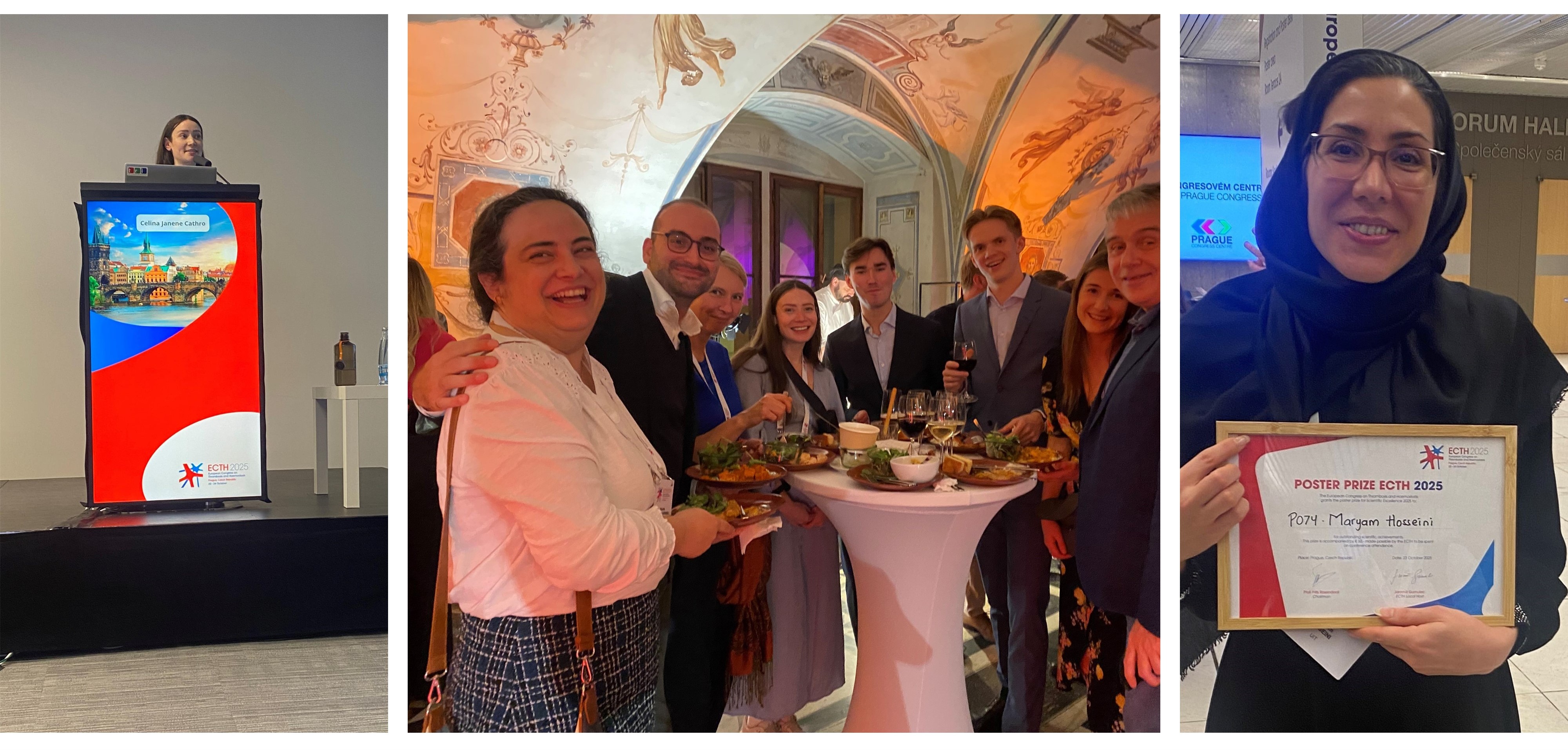
The TREC members held presentations within the sessions on venous thromboembolism (VTE), recurrent thrombosis, platelets, cancer-related VTE and obesity-related VTE. Anna Arntzen, Camilla Langholm, Celina Cathro, Christopher Antoun, Eduarda Guerreiro, John-Bjarne Hansen, Nikolai Eide, Magdalena Johansson, Maryam Hosseini, Melliane Olsen, Lukas Konecny and Solveig Valderhaug all did an excellent job presenting their work!
The scientific program of the conference was truly inspiring, and it was nice to meet colleagues and researchers in the field of thrombosis and hemostasis from all over Europe.
We had a great time in Prague!
Lenke til nyhet

27.11.2025:
People with high content of omega-3 fatty acids in blood have lower risk of venous thrombosis
Blood clots formed in the veins of the leg and lungs, collectively named venous thromboembolism (VTE), is a common disease with severe complications. The occurrence of VTE has increased during the last decades, and it is important to find out whether lifestyle factors can lower the risk of VTE. We therefore investigated whether a high content of omega-3 fatty acids in blood was related to risk of VTE in the general population. We found that persons with high content of omega-3 fatty acids in blood had a 28% lower risk of VTE. Our findings were recently published in the American Journal of Clinical Nutrition and highlighted by an editorial commentary in the same journal.
People with high content of omega-3 fatty acids in blood have lower risk of venous thrombosis
Blood clots formed in the veins of the leg and lungs, collectively named venous thromboembolism (VTE), is a common disease with severe complications. The occurrence of VTE has increased during the last decades, and it is important to find out whether lifestyle factors can lower the risk of VTE. We therefore investigated whether a high content of omega-3 fatty acids in blood was related to risk of VTE in the general population. We found that persons with high content of omega-3 fatty acids in blood had a 28% lower risk of VTE. Our findings were recently published in the American Journal of Clinical Nutrition and highlighted by an editorial commentary in the same journal.

Omega-3 fatty acids are essential fatty acids, meaning that they cannot be synthesized in the body and that the content in blood reflect the dietary intake of seafood or omega-3 enriched supplements (e.g. cod liver oil). Fatty fish, such as salmon, trout, and mackerel, has a high content of omega-3 fatty acids, while lean fish, such as cod, has a low content of omega-3 fatty acids. Studies have shown that omega-3 fatty acids can have beneficial effects on key mechanisms involved in blood clot formation.
Previous studies on the relationship between omega-3 fatty acids and VTE have estimated dietary omega-3 intake based on self-reported intake of fat fish and supplements. Since this estimation is not completely accurate, the true effect of omega-3 can be underestimated in such studies. Consequently, these studies have reported mixed results on the link between omega-3 fatty acid intake and VTE risk. In our recent study, we have for the first time studied whether omega-3 levels measured directly in blood were linked to VTE risk.
In our study of omega-3s and risk of venous thromboembolism, about 17,000 persons living in Nord-Trøndelag County in Norway participated. They went to a health examination and donated blood samples in 2006-08. The amount of omega-3 fatty acids in blood samples from each participant was measured, and all VTE events among the participants were registered until 2020. During 12-years of median follow-up, 340 participants experienced a VTE event. We found that those with high omega-3 levels (upper tertile) in blood had 28% lower risk of venous thromboembolism compared to those with low levels (lower tertile).

Our findings suggest that a high dietary intake of omega-3 fatty acids derived from seafood is associated with lowered risk of future VTE. However, our original findings needs to be validated in other populations and ultimately tested in randomized clinical trials.
The first author of this study, Magdalena Johansson, is a haematologist and researcher from Umeå University, Sweden. She collaborated with TREC on this study when she was a visiting researcher in Tromsø during spring 2024.
Reference:
Lenke til nyhet
29.06.2025:
How Blood Type Influences Risk of Venous Thrombosis
How Blood Type Influences Risk of Venous Thrombosis
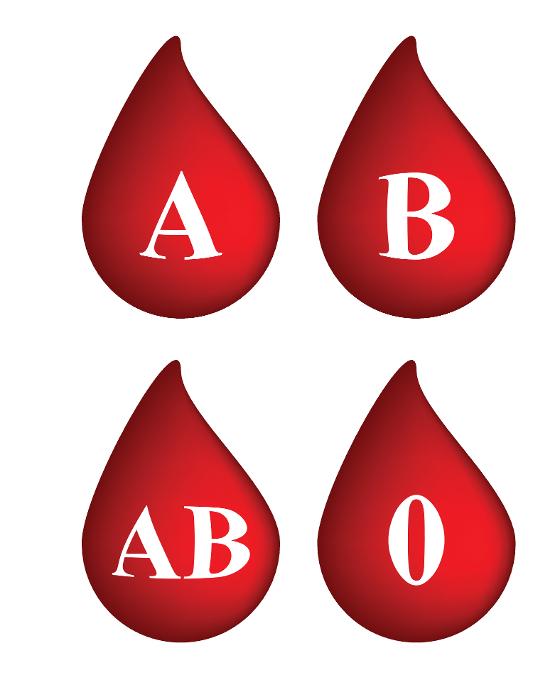
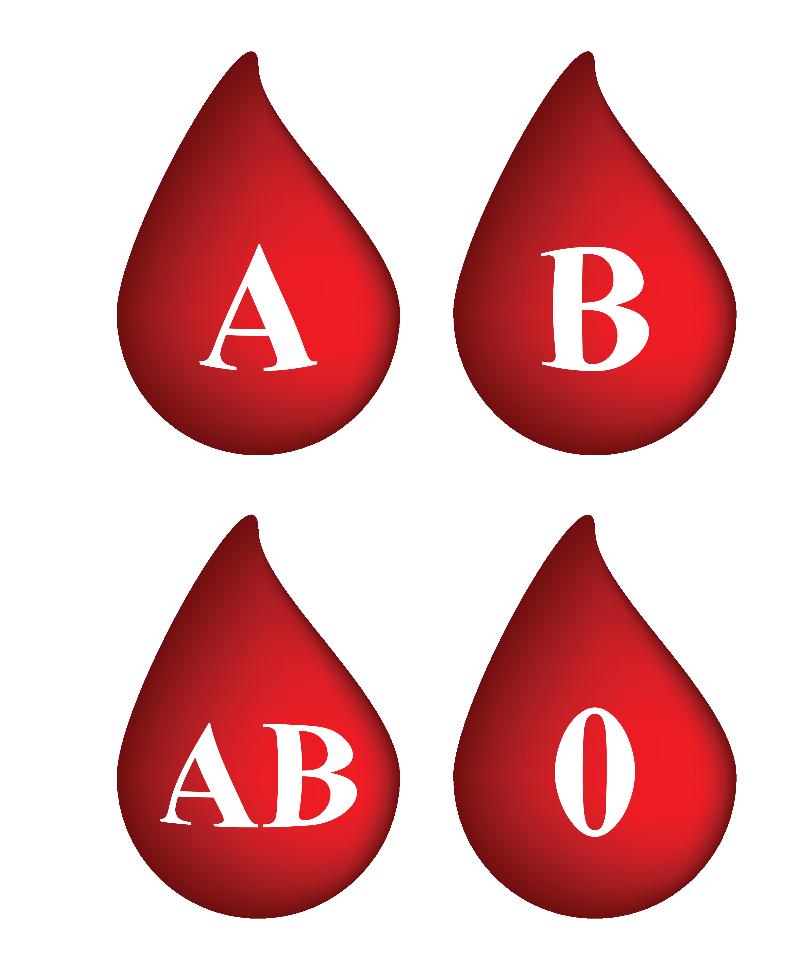
Formation of blood clots in the veins of the legs and lungs, also known as venous thromboembolism (VTE), is a common disease with severe complications including death. The ABO blood group system, which determines whether a person has blood type A, B, AB, or O, is not only important for blood transfusions but also plays a major role for VTE risk. Individuals with non-O blood types (A, B, or AB) have higher risk of venous thromboembolism (VTE) and 20-30% of the VTE events in the population are attributed to non-O blood types. While the association between ABO blood type and venous thrombosis is well-known, the biological mechanisms behind this association are not completely understood.
A recent study from the Thrombosis Research Group (TREC) at UiT - The Arctic University of Norway and University Hospital of North Norway, in collaboration with researchers from NTNU (Trondheim) and international researchers from France and USA, took a step toward unravelling these mechanisms. Using high-quality data from the Trøndelag Health Study (HUNT), we combined advanced protein measurements (proteomics) and genetic analyses (genomics) to investigate how the ABO blood group system influences VTE risk.
The study focused on a protein called histo–blood group ABO system transferase (BGAT), which is produced by the ABO gene. BGAT is a combined term for the enzymes that determines ABO blood type. These enzymes add the blood type antigens (A- and B-antigen) to red blood cells but also adds these antigens to other cells and proteins in the body. We found that plasma BGAT levels were strictly genetically regulated and that elevated BGAT levels were associated with an increased risk of VTE. The association between BGAT levels and VTE risk remained even after accounting for clotting-related factors in the blood which are already known to be affected by blood type.
Our research highlights the power of international collaboration and how the use of new technologies in unique population studies can explore how blood type affects disease risk. While this study provides new insights, it is just the first step in a broader effort to understand the complex relationship between the ABO system and VTE risk. Future research will build on these findings and methods to uncover hitherto unknown pathways through which blood type influences VTE risk, paving the way for improved prevention and treatment strategies for VTE.
The paper was recently published and was highlighted with a commentary in the world-leading journal in hematology Blood.
Lenke til nyhet
28.05.2025:
Evaluation of TREC by the Research Council of Norway
Evaluation of the Thrombosis Research group (TREC) by international experts commissioned by the Research Council of Norway (EvalMedHelse)
Evaluation of TREC by the Research Council of Norway
Evaluation of the Thrombosis Research group (TREC) by international experts commissioned by the Research Council of Norway (EvalMedHelse)
EvalMedHelse, or the Evaluation of Medical and Health Research in Norway, is a nationwide initiative designed to assess the quality, relevance, and societal impact of medical and health research conducted across Norwegian institutions during the years 2012-2022. Commissioned by the Research Council of Norway (RCN), international experts evaluated research institutions, departments and research groups with regards to organization, scientific and public dissemination, and contributions to their specific research fields. The evaluation was based on self-reports and available public information about the institutions, departments and research groups.
Recently, TREC, a translational research group focusing on the etiology of venous thromboembolism, received the evaluation report from EvalMedHelse 2023-2024. Overall, the research group got a high score, with marks of 4 or 5 on all items (5 is highest). The report highlighted that TREC is a successful and focused translational research group, that TREC during 25 years of research has gained a high international reputation, operating at a very high standard and achieved the position of international opinion leader with a large network of national and international collaborators.
TREC was evaluated as a very well-organized research group with strong leadership. The report further stated that “The research quality in relation to both contribution and leadership in research and outputs are excellent in the specific field of VTE”. “TREC has contributed to the reputation of the institution by substantial international visibility due to publications in high-ranked international peer-reviewed journals as well as many invited and selected oral presentations at important international conferences in the field (e.g., ISTH)”. With regards to societal impact, “TREC has contributed to increase academic competence of medical doctors at hospitals in Norway” and “taken a great focus on dissemination of project results and on increasing the public awareness and knowledge of VTE in the society”.
As a comment to the evaluation report, professor Hansen, the research group leader of TREC, states that “TREC is satisfied by the findings in the evaluation report, and we are encouraged to continue working to improve the organization as well as the scientific and societal relevance and impact of TREC. As the evaluation has been resource-demanding, and a huge effort for everyone involved, it will be exciting to see how the recommendations in the evaluation report will be implemented in the strategies and organization at the institutional- and department levels with goal to improve the framework for research in general and top research in particular”.
You can read the full report here: EvalMedHelse Report TREC
Lenke til nyhet
27.05.2025:
Body height and risk of blood clots in men versus women
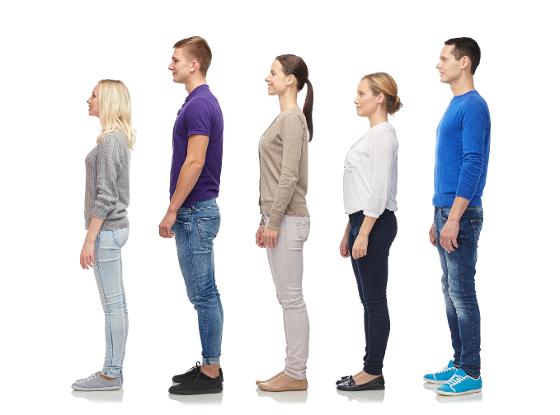
Is body height a risk factor for venous thromboembolism (VTE) in both men and women, and do men have a higher risk of VTE because they are taller?
Body height and risk of blood clots in men versus women
Is body height a risk factor for venous thromboembolism (VTE) in both men and women, and do men have a higher risk of VTE because they are taller?
Previous studies, including the Tromsø study, have shown a link between body height and risk of VTE in men, but studies in women have shown inconsistent results. Limited study size, and consequently few tall women included in these studies, could potentially explain this inconsistency. We therefore aimed to investigate the risk of VTE according to body height in men and women separately, in a large population-based study. Since men are on average taller than women, we also investigated whether differences in body height could explain differences in VTE risk between men and women in different age groups.
We used a merged cohort of 114,567 individuals from the Tromsø study and the Trøndelag Health Study (HUNT). The participants were followed up over a median of 22 years, and all VTE events during this period were recorded. We found that 10cm increase in body height on average increased the risk of VTE with 34% in men and 23% in women. The risk of VTE was higher in men than in women in the age group 50-74 years, but this difference disappeared after adjustment for differences in body height. In the young (19-49 years) and elderly (≥75 years) there was no difference in VTE risk in men versus women, but the risk was higher in women after adjusting for body height. Our findings indicate that body height mediates the risk of VTE to a larger extent in men than in women in all age groups.
The paper was published in Journal of Thrombosis and Haemostasis in May 2025. You can find the article here:
Arnesen et al. Body height and risk of venous thromboembolism in men vs women. JTH 2025.
Lenke til nyhet
01.04.2025:
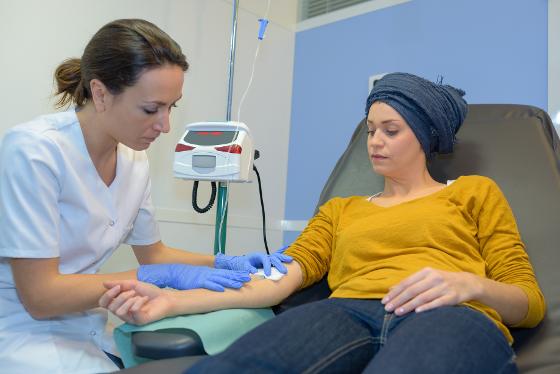
Improved survival in cancer patients with venous thrombosis
The formation of venous blood clots in the deep veins of the body or in the blood vessels of the lungs, also known as venous thromboembolism (VTE), is a common and potentially fatal condition in cancer. Our recent research data show improved survival in cancer patients with VTE.
Improved survival in cancer patients with venous thrombosis
The formation of venous blood clots in the deep veins of the body or in the blood vessels of the lungs, also known as venous thromboembolism (VTE), is a common and potentially fatal condition in cancer. Our recent research data show improved survival in cancer patients with VTE.
You can also read an interview on NRK (in Norwegian) with the first author here
Treatment of cancer and VTE has improved in recent decades, but to what extent these improvements have been accompanied by improved survival for cancer patients with VTE remains unclear. Nikolai H. Eide, an MD/PhD student at the Thrombosis Research Group (TREC), and his colleagues at UiT and UNN sought to answer this question by investigating the changes in mortality over the last three decades for cancer patients with VTE.

The researchers analyzed data from two large Norwegian population-based studies, the Tromsø Study and the Trøndelag Health Study (HUNT). A total of 111,119 participants were followed from 1994 to 2019 to explore changes in mortality rates among cancer patients with VTE.
We found that the proportion of patients who died within 1 year after the diagnosis of cancer-related VTE decreased from 62% to 45% in the period 1994 to 2019. The improved survival over time was particularly seen for cancer patients without metastasis, that is, without spread of the cancer cells in the body at the time of cancer diagnosis.
While the study did not pinpoint the exact reasons for the improved survival of cancer-related VTE, several factors might have contributed, especially those related to the major advances in cancer treatment that have been achieved in recent decades. The findings from Eide and colleagues give hope for the future of cancer patients, their families and doctors, and form the basis for further research dedicated to improve the survival in cancer patients with VTE.
Reference: Eide NH, Langholm C, Rinde FB, Van Es N, Hveem K, Brækkan SK, Hansen JB, Morelli VM. Mortality risk after cancer-related venous thromboembolism has decreased over the last three decades: the HUNT and Tromsø studies. Haematologica 2025. Link: https://pubmed.ncbi.nlm.nih.gov/39945012/
Lenke til nyhet
05.01.2025:
Proteome wide study reveals novel biomarkers for VTE
In a large proteome-wide analysis of over 7000 proteins, we have discovered five new protein candidates associated with venous thromboembolism (VTE)
Proteome wide study reveals novel biomarkers for VTE
In a large proteome-wide analysis of over 7000 proteins, we have discovered five new protein candidates associated with venous thromboembolism (VTE)
A systematic profiling of the plasma proteome can provide new insight into molecular pathways involved in the pathogenesis of venous thromboembolism (VTE) and reveal potential predictive biomarkers or drug targets. Previous proteomic studies on VTE were restricted to up to 500 proteins. Therefore, we performed a large proteome-wide discovery case-cohort study of individuals who developed VTE within the five years after baseline blood sampling (n=294) and a randomly sampled subcohort (n=1066) derived from the Trøndelag Health Study. We screened plasma samples for >7000 proteins using the SomaScan aptamer-based proteomics platform. In the proteome wide analyses, 7 proteins were significantly associated with future VTE after correction for multiple testing. Of these, 5 proteins were novel candidates associated with VTE. Protein pathway analyses of the top-ranked 200 proteins associated with VTE revealed significant enrichment of 9 proteins in the complement and coagulation pathways, particularly the lectin pathway of the complement system and the intrinsic coagulation pathway.
Link to publication:
Lenke til nyhet
23.01.2024:
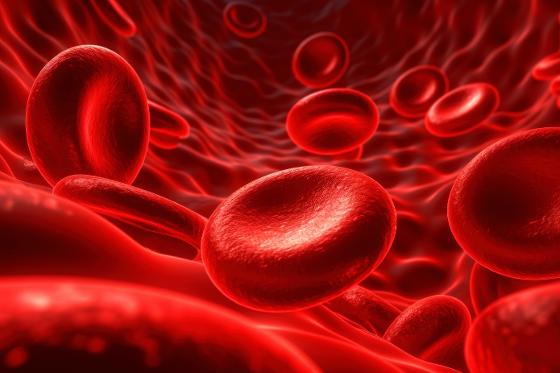
New finding: MicroRNA associated with lower risk of VTE!
Recent findings suggest that miR-145 may be protective against thrombosis.
New finding: MicroRNA associated with lower risk of VTE!
Recent findings suggest that miR-145 may be protective against thrombosis.
icroRNAs (miRs) are small non-coding RNAs that downregulate gene expression. Interestingly, miR-145 has been reported to downregulate the expression of important factors in the coagulation system (tissue factor and factor XI) in vitro. Furthermore, miR-145 has be shown to decrease venous thrombus formation in a mouse model.

In a recent paper, published in Blood, we investigated the association between plasma levels of miR-145 and risk of future VTE. We found that plasma levels of miR-145 were inversely associated with VTE risk. Participants with miR-145 levels in the highest quartile had a 49% lower risk of VTE compared with those with miR-145 in the lowest quartile, and this association remained after adjustment for several potential confounders. Our observation of a protective role of miR-145 for VTE, implies that miR-145 could be a potential target for VTE prevention in the future.
Link to the publication:
Lenke til nyhet
20.09.2023:
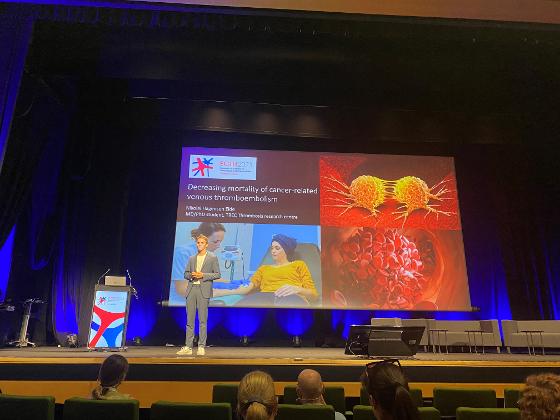
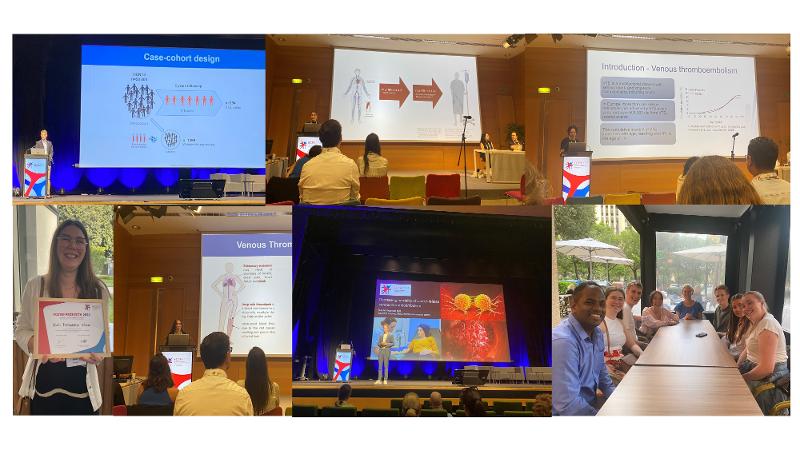
TREC presented recent results at ECTH2023 in Valencia
TREC presented recent results at ECTH2023 in Valencia
Lenke til nyhet

07.08.2023:
Overweight and obesity – a major contributor to VTE
In a recent study, we showed that 1/4 of all venous thromboembolism (VTE) events in the population can be attributed to overweight and obesity.
Overweight and obesity – a major contributor to VTE
In a recent study, we showed that 1/4 of all venous thromboembolism (VTE) events in the population can be attributed to overweight and obesity.
Obesity has emerged as one of the most relevant modifiable risk factors for venous thromboembolism (VTE) over the past decades. Obesity is associated with a two- to three-fold increased risk of VTE, and the risk increases linearly with increasing body mass index (BMI). However, data on the proportion of incident VTEs attributed to overweight and obesity in the general population are limited. We therefore investigated the population attributable fraction of overweight and obesity for VTE using data from the 4-7 surveys of the Tromsø study. More than 36 000 people were included in the study and followed for a median of 14 years.
We found that almost 25% of all VTEs in the population could be attributed to overweight and obesity. Thus, from a public health perspective, overweight and obesity are major contributors to the VTE burden in the general population. Our findings further suggest that public health efforts to lower the prevalence of obesity along with targeted interventions to reduce thrombosis risk in overweight and obese individuals may substantially lower the incidence of VTE in the general population.
The paper was published online in Thrombosis and Haemostasis in August 2023, and it also received an accompanying editorial commentary.
You can find the original paper here:
Editorial commentary:

Obesity is a risk factor for VTE. Illustration: MostPhotos.com
Lenke til nyhet
03.07.2023:
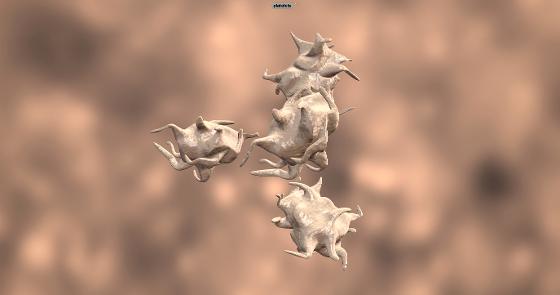
Large platelets and high FVIII yields excessive VTE risk
Large platelets and high FVIII yields excessive VTE risk
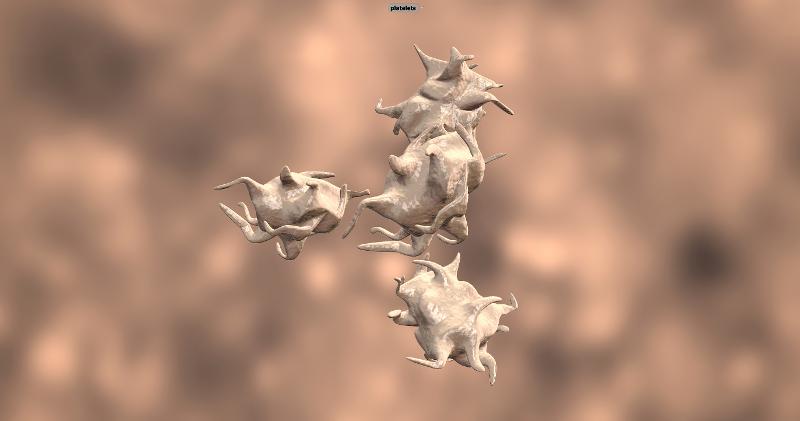
High levels of coagulation factor VIII (FVIII) and large platelets (reflected by a high mean platelet volume [MPV]), are separately associated with increased risk of venous thromboembolism (VTE). Whether the combination of the two yields excessive VTE risk has not been studied. We therefore assessed the combined effects of MPV and FVIII on risk of VTE in a nested case-control study. We found that individuals with high MPV and high FVIII (highest tertiles) had a 2.7-fold higher risk of VTE compared to those with low levels of both factors (lowest tertiles). In those with the combined exposure, 52% of the VTE could be attributed to the biological interaction between MPV and FVIII. These findings support that large platelets could play a role for the mechanism by which high FVIII increases VTE risk.
You can find the original paper here:
Lenke til nyhet

29.06.2023:
Grip strength and risk of recurrence after first VTE
Weak hand grip strenght was associated with increased risk of recurrence after a first venous thromboembolism.
Grip strength and risk of recurrence after first VTE
Weak hand grip strenght was associated with increased risk of recurrence after a first venous thromboembolism.
There is limited knowledge about the relationship between muscle strength and risk of recurrence and mortality after a first event of venous thromboembolism (VTE). We investigated the relationship between hand grip strength and mortality in 545 participants with a first VTE recruited from the Tromsø study. We found that a weak hand grip strength was associated with a 2-fold increased risk of recurrent VTE and a 34% increased risk of death.
To read more about our findings, please follow this link:

Lenke til nyhet
15.06.2023:
C1-inhibitor is associated with lower risk of VTE
C1-inhibitor is associated with lower risk of VTE
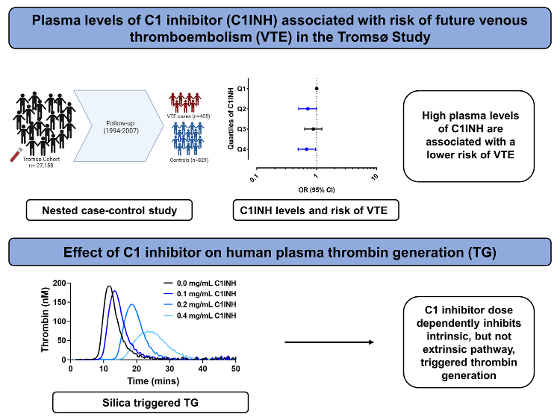
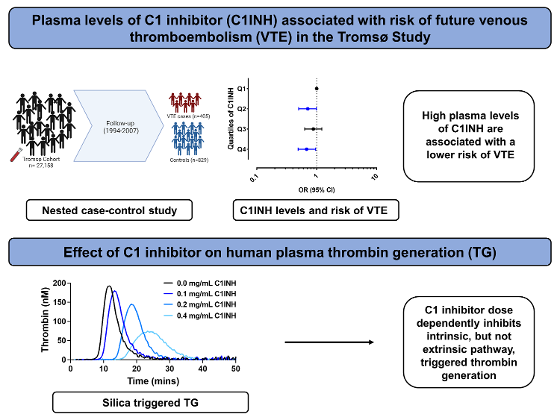
C1-inhibitor is an important inhibitor of the complement system. This protein is also known to inhibit several proteases involved in the coagulation system. In a newly published study, we investigated the association between plasma levels of C1-inhibitor and risk of venous thromboembolism (VTE). In addition, we investigated the effect of C1-inhibitor on thrombin generation ex vivo. We found that individuals with high levels of C1 inhibitor (highest quartile) had a 32% lower risk of VTE. We also showed that C1 inhibitor inhibited thrombin generation initiated by the intrinsic coagulation pathway.
You can find the original paper here:
Lenke til nyhet

01.06.2023:
K.G. Jebsen TREC Blog 2014-2020
K.G. Jebsen TREC Blog 2014-2020
K.G. Jebsen Thrombosis Research and Expertise Center (K.G. Jebsen TREC) was supported by an independent research grant from Stiftelsen Kristian Gerhard Jebsen in the period 2014-2020.
You can read more about our activities in this period on the K.G. Jebsen TREC blog available at https://site.uit.no/trec/.

Lenke til nyhet
01.06.2023:
Trombosis Research Group (TREC)
We aim to reduce the suffering and burden of venous thrombosis through excellent and world leading research.
Trombosis Research Group (TREC)
We aim to reduce the suffering and burden of venous thrombosis through excellent and world leading research.
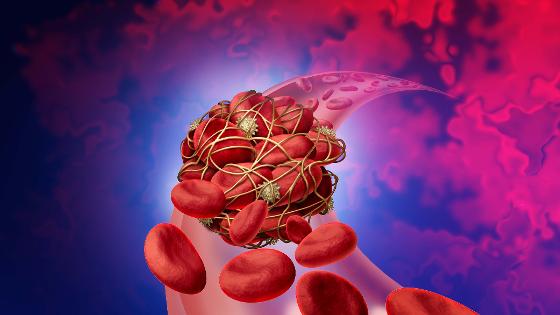
The total suffering and health burden caused by venous thrombosis (VTE) is tremendous. In Norway, one person suffers from VTE every hour and every forth hour one person dies from a VTE-realated cause.
Up to half of the patients who get VTE in their legs are subsequently afflicted with pain and swelling due to reduced circulation. Further, the socioeconomic burden related to treatment of the disease and loss of income due to work-related disability is very high.
Our research
VTE is a common disease with unclear and complicated disease development for which few risk factors are known.
Previous research has revealed some risk factors that can lead to VTE. Still, several factors have not yet been identified, and there is insufficient knowledge about how the known risk factors work together.
In TREC, we combine laboratory research, patient-oriented research and population-based research to reveal new risk factors and mechanisms for the formation of VTE, which in turn can contribute to improved prevention and tailored treatment of the disease.
Health studies such as the as the Tromsø study, the HUNT study (Helseundersøkelsen i Nord-Trøndelag) are the cornerstones of our research.
Organization
TREC is a translational research group led by Professor John-Bjarne Hansen.
TREC is a part of the Department of Clinical Medicine at the Faculty of Health Sciences. The group's research activity take place across several disciplines such as medical biology, clinical medicine and community medicine.
TREC also cooperates closely with research environments at other universities and hospitals in Norway and internationally.
TREC was funded by Stiftelsen K. G. Jebsen from 2014-2020 as the first and so far only K. G. Jebsen Center for Medical Research established in Northern Norway.
Lenke til nyhet
31.10.2023:
What is venous thromboembolism?
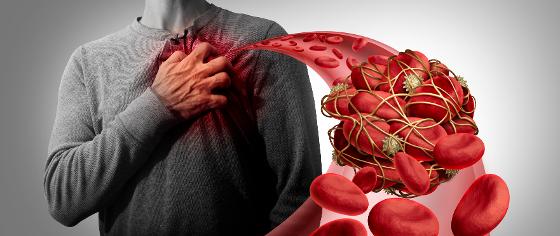
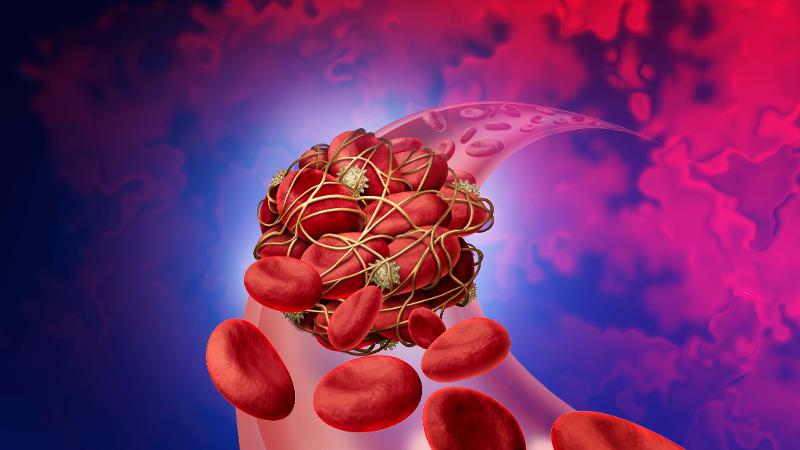
Thrombosis occurs when a blood clot forms on the inside of a blood vessel, obstructing the flow of blood through the circulatory system.
What is venous thromboembolism?
Thrombosis occurs when a blood clot forms on the inside of a blood vessel, obstructing the flow of blood through the circulatory system.
While arterial blood clots cause heart attacks and strokes, blood clots may also form in the slow-flowing venous system.
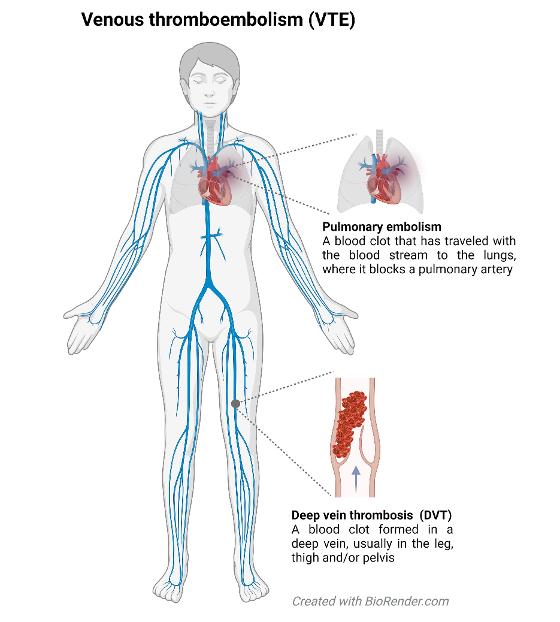
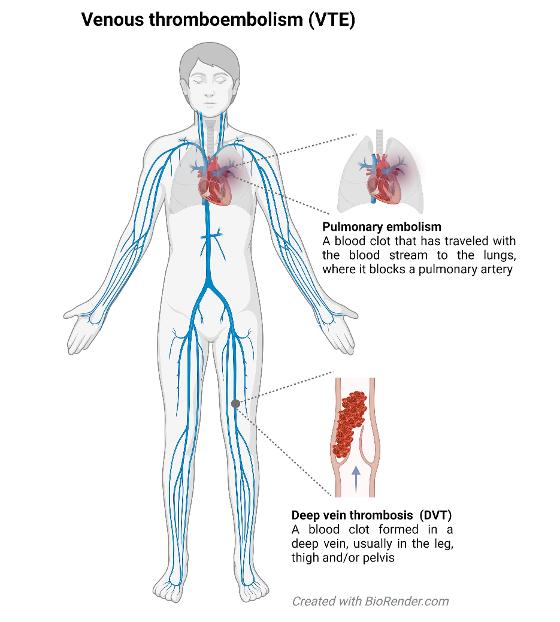
Veins are blood vessels that carry blood back to the lungs and heart from the body’s different organs. A deep vein thrombosis is a blood clot formed in a deep vein, usually in the leg, thigh and/or pelvis.
When blood flow through a vein is obstructed by a blood clot, the increased venous pressure below the clot causes swelling and pain in the affected limb.
A part of the blood clot may also break off and travel with the blood stream until it lodges in the lung vessels. This is called pulmonary embolism, and may result in shortness of breath, chest pain, heart failure and death.
Collectively, deep vein thrombosis and pulmonary embolism are called venous thromboembolism (VTE).
Lenke til nyhet