Study of icing on Gondola / Ropeway infrastructure
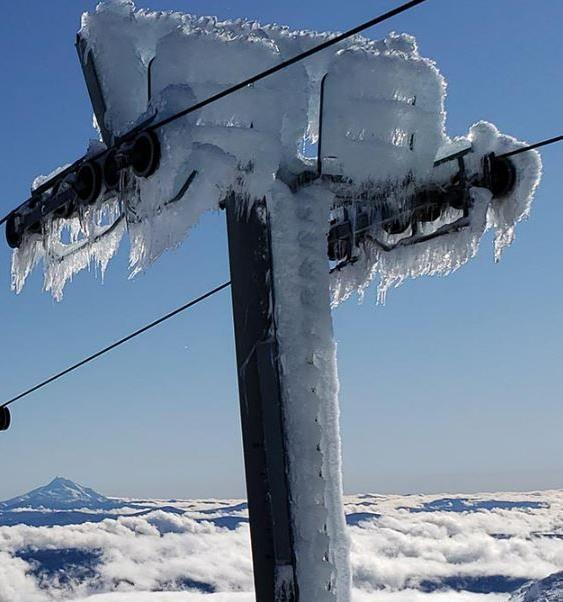 Gondola lifts (cable cars) have received increased attention in recent decades as a promising source of transportation to higher altitudes in the mountainous terrain where other conventional sources of transportation are ineffective. Mountainous regions experience harsh weather conditions due to higher altitude, especially in winter. Atmospheric icing and high wind conditions are prominent factors in this regard. Icing is a safety hazard for the optimal design and operations of gondola infrastructure. The combination of wind and ice instruments adds structural loads to the gondola infrastructure, which raises maintenance complexities and costs. Due to growing winter sports and tourism activities in ice-prone mountainous regions, safe infrastructure design for gondolas is important from both safety and financial perspectives.
Research in the field of icing on gondola infrastructure has gained recent recognition, alarming the decision-makers to develop innovative technological solutions to mitigate the effects of atmospheric ice accretion on gondola infrastructure. Despite the recent advances, there exists a knowledge gap about atmospheric ice accretion and ice mitigation of gondola infrastructure. This knowledge gap raises the emerging need for comprehensive research to develop optimized operational strategies and solutions for ice mitigation on infrastructure associated with gondola for example different components such as towers, cable, sheaves, cabin and grip along with other activities, like skiing; the objective is to improve safety, reliability, and operability in ice-prone conditions.
Narvik city has been awarded hosting the FIS Alpine Ski championship, VM-2029. This has brought about a need to extend/upgrade the existing gondola infrastructure and ski slopes. Considering the knowledge gap on the effects of atmospheric ice accretion on gondola infrastructure, and inspired by the mentioned regional need, this PhD project aims to study the icing on gondola infrastructure, exploring innovative ice mitigation solutions in the Arctic Region. Narvik is considered a use-case demonstrator to test the findings.
Members:
Muhammad Shakeel Virk (Principal investigator) (Project manager)
Hamza Asif (Principal investigator)